
One Idea Leads, Everyone Else Answers: How a Jane's Addiction Song Actually Came Together
What if a song started with a drummer who didn't even know he was helping write it?
That's part of the story behind Jane's Addiction's Imminent Redemption. Eric Avery came across a video of Stephen Perkins playing at a drum clinic and heard something worth building on. He wrote a bass progression around the recording, and when the two musicians eventually played together, the idea took on a new life.
The track became the first song released by the band’s original lineup in 34 years, according to Rolling Stone’s July 2024 report. But the more useful story for musicians is not the milestone. It is how the song took shape through a series of musical answers.
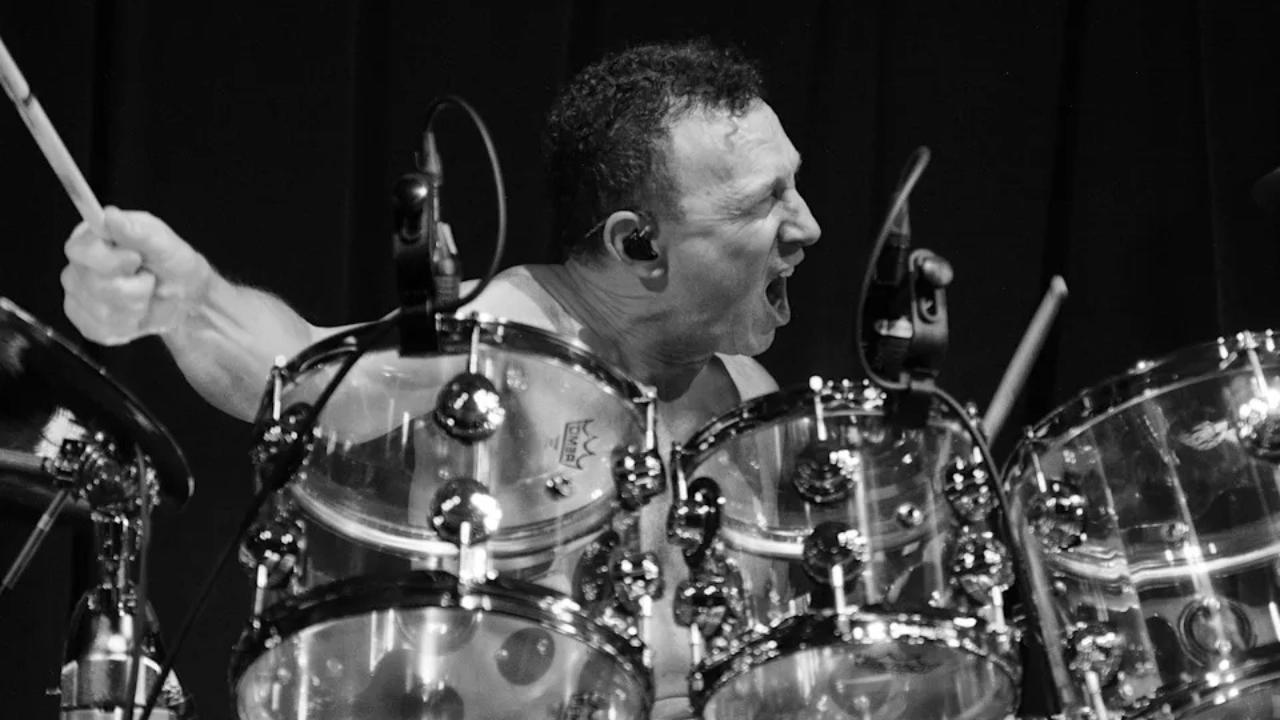
The Seed Was Already Playing
Before the session, Avery had been writing ideas on his own in anticipation of reuniting with the band. In a Bass Magazine interview with Jon D’Auria, he described those ideas as feeling flat. Working alone, he kept arriving at his own familiar rhythmic defaults.
Then Avery came across a video of Stephen Perkins playing at a drum clinic. He downloaded the audio, brought it into Logic, and began writing a bass progression around the drumming. It was a different starting point from the ideas he had been developing alone. Instead of falling back on his own familiar rhythms, he had someone else's playing to respond to.
The clinic recording wasn't made for a Jane's Addiction song. Perkins was simply playing, without knowing that Avery would eventually use the performance as a starting point for new music. But the recording already had its own movement and character, giving Avery something specific to build around rather than asking him to imagine the rhythm from scratch.
That distinction is important. Avery wasn't writing a bass line and then searching for a drum groove that would fit it. He was listening to what Perkins had already played and finding a musical idea within it. The rhythm influenced where the bass line went, and the bass line gave that rhythm a different context. What began as one musician's performance became the starting point for another musician's contribution.
When Avery and Perkins eventually played the idea together, Avery described how the music came alive and locked into place. The recording had helped him begin writing, but playing together brought something different to the idea. They could respond to each other in real time, and what had started as an experiment in Logic became something they could develop together.
That is a practical reminder for drummers: your playing can originate material, even when nobody has asked you to write a song. A rhythm does not have to arrive with a title, structure, or assignment attached. Sometimes another musician can hear a shape in what you played and build from there.
Keep the Room Open Long Enough
Avery described the wider writing process as bringing the other musicians basic song structures through grooves and changes, then letting the band have a conversation with them. A structure gives people something to respond to without deciding every detail in advance.
His account of the band’s earlier process was different. He and Perry Farrell had been the shapers of what Perkins and guitarist Dave Navarro played. By the time of the 2024 sessions, Avery said, everyone had grown into a clearer sense of their own voice. The writing could begin with a framework, then make room for more than one person’s decisions.
Perkins’s account offers another angle on how that openness worked. In a Vanyaland interview with Michael Christopher, Perkins recalled that Jane’s Addiction was not on his immediate schedule. He had been working with Porno for Pyros in a Hollywood Hills studio. After that work stopped on a Saturday, he heard the next morning that Farrell and Avery were at the studio working on something.
Perkins recalled that Farrell was developing lyrics during the session and calling for the drummer. Perkins joined Farrell and Avery that afternoon, and the three began playing together. He later described how familiar the music felt, comparing it to what could have been the band's third album.
The two accounts show different stages of the same process. Avery’s tells how the initial musical seed came from writing to Perkins’s clinic performance. Perkins’s explains the surprise of being brought into a session where Avery and Farrell were already working and the words were still taking shape. Together, their accounts suggest a writing process that was still developing as the musicians came together, rather than one in which every musical decision had already been made.
That approach is not automatically better than arriving with a finished recording. A detailed demo can be the right way to communicate a specific vision. But when the first contribution is a groove, a change, or a partial arrangement, the band can respond before the song is settled. The result may include something none of the musicians would have arrived at alone.

Who Holds and Who Flies
The Imminent Redemption story also challenges an easy assumption about rhythm sections: that the drummer is always the fixed point and the bassist supplies movement around them.
Avery described his role in Jane’s Addiction as holding time more than he might in other settings. He said he played repetitive bass lines deliberately, resisting ideas that might be more entertaining for him but would not fit the music. Because the line was simple enough to require less of his attention, he could listen to what the others were doing while he played.
He described Perkins differently. Avery valued the unpredictable energy in Perkins's playing. Rather than asking him to approach every passage with rigid precision, Avery saw value in the movement and dynamics that made their rhythm section distinctive.
That division of roles was not about one musician being more skilled than another. It was about what each person contributed in that particular musical setting. Avery could provide a steady musical foundation while Perkins brought movement, energy, and unpredictability. The roles may not match the standard picture of a locked rhythm section, but they gave the other musicians a specific combination to work with.
For a drummer writing with a band, that is a more useful question than whether your contribution sounds impressive on its own. What is the room asking you to hold? What can you let move? Does the song need a clear reference point, or does it need a performance that keeps changing its shape?
A recording made without a particular song in mind gave Avery an unexpected starting point. But it was the exchange between musicians that allowed the idea to grow beyond that first recording.
That's what makes collaborative writing interesting. One musician starts something, another hears a possibility, and the song takes a direction neither could have planned alone.
Want to hear more about how drummers develop their musical ideas?
Tim Alexander and Stephen Perkins are coming together for a live Composition Lab on December 5, exploring composition, groove, feel, and the creative decisions behind their playing.
Join the waitlist to get early access to tickets at early bird pricing before public sales open.